


SMILE®
Small Incision Lenticule ExtractionExclusively at Samsung Miracle Eye Clinic
At Samsung Miracle Eye Clinic in Korea, our ambidextrous SMILE® eye surgery
takes vision correction to the next level. Using a unique
dual-hand surgical technique,
our experienced surgeons deliver exceptional precision, balance, and reliability.
-

Enhanced precision through dual-hand technique
-
Balanced and reliable visual outcomes
-
Minimally invasive with faster recovery
Schedule your consultation today to experience the future of SMILE® laser eye surgery.
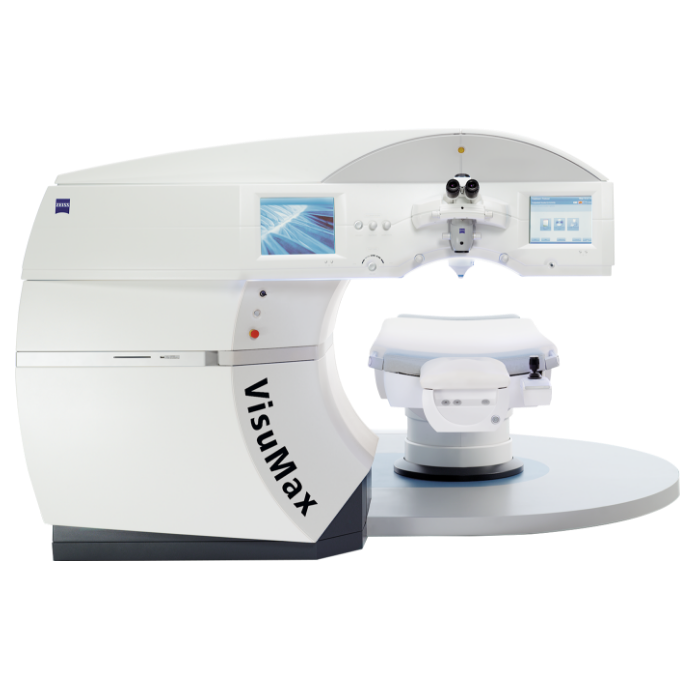
SMILE® Vision Correction Process
Experience clear vision with SMILE® (Small Incision Lenticule Extraction), a minimally invasive laser eye surgery
designed to reduce the
burden on your eyes and shorten recovery time. SMILE® is one of the most advanced procedures for myopia
and astigmatism correction, using
a precise femtosecond laser.
-
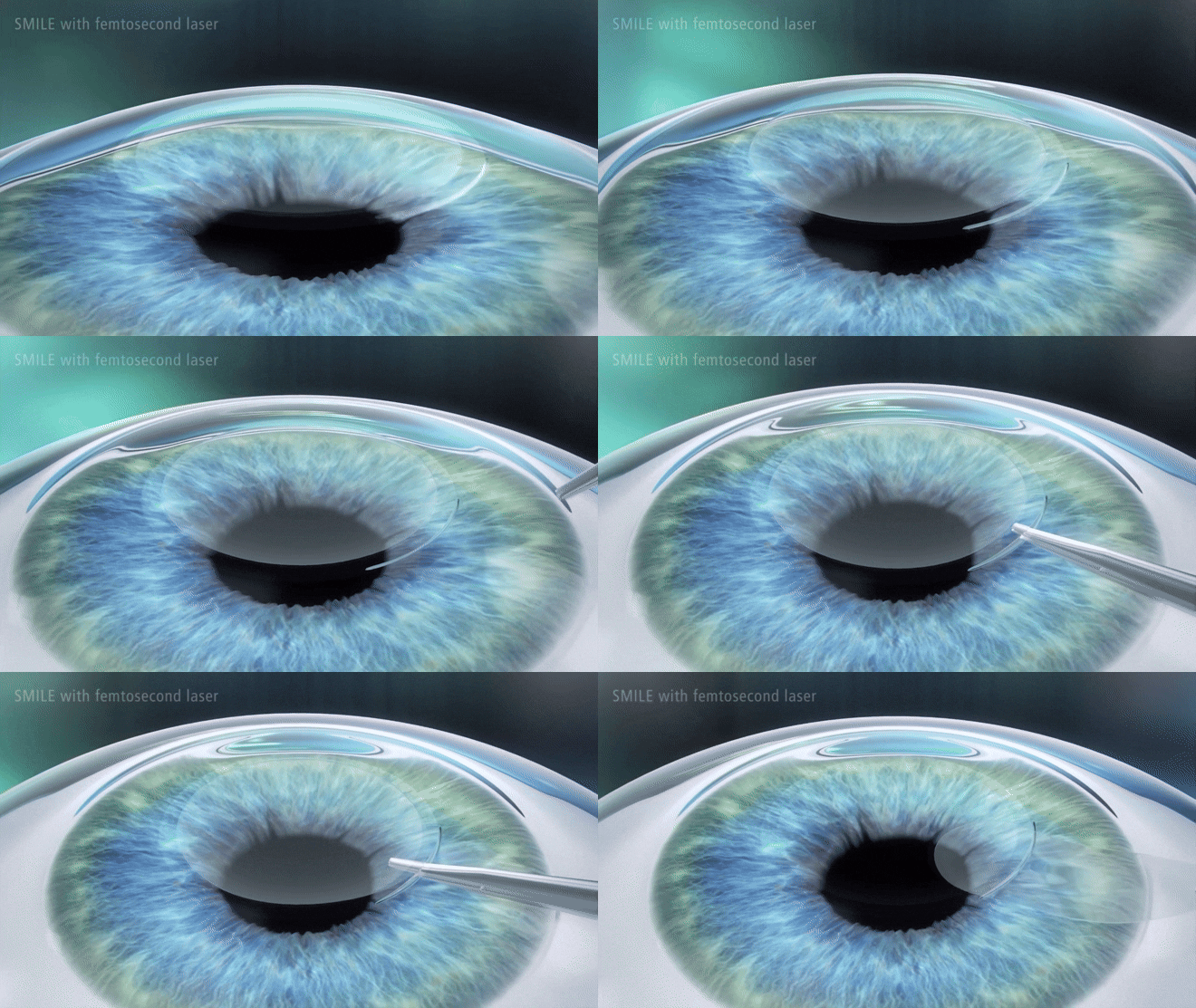
Step
01Laser irradiation
The femtosecond laser is transmitted through the cornea to carefully target the corneal tissue. This process precisely reshapes the cornea while preserving surrounding structures, ensuring a safe and effective correction for nearsightedness and astigmatism.
-
Step
02Minimal incision
A tiny incision of less than 2mm is made on the cornea. The minimal incision technique reduces discomfort, promotes faster healing, and minimizes the risk of complications compared to traditional LASIK.
-
Step
03Removal of the Lenticule
The surgeon gently removes the separated corneal tissue (lenticule) through the small incision. This step reshapes the cornea, correcting your vision effectively while keeping the procedure safe and precise.
What Makes Ambidextrous SMILE® Different?
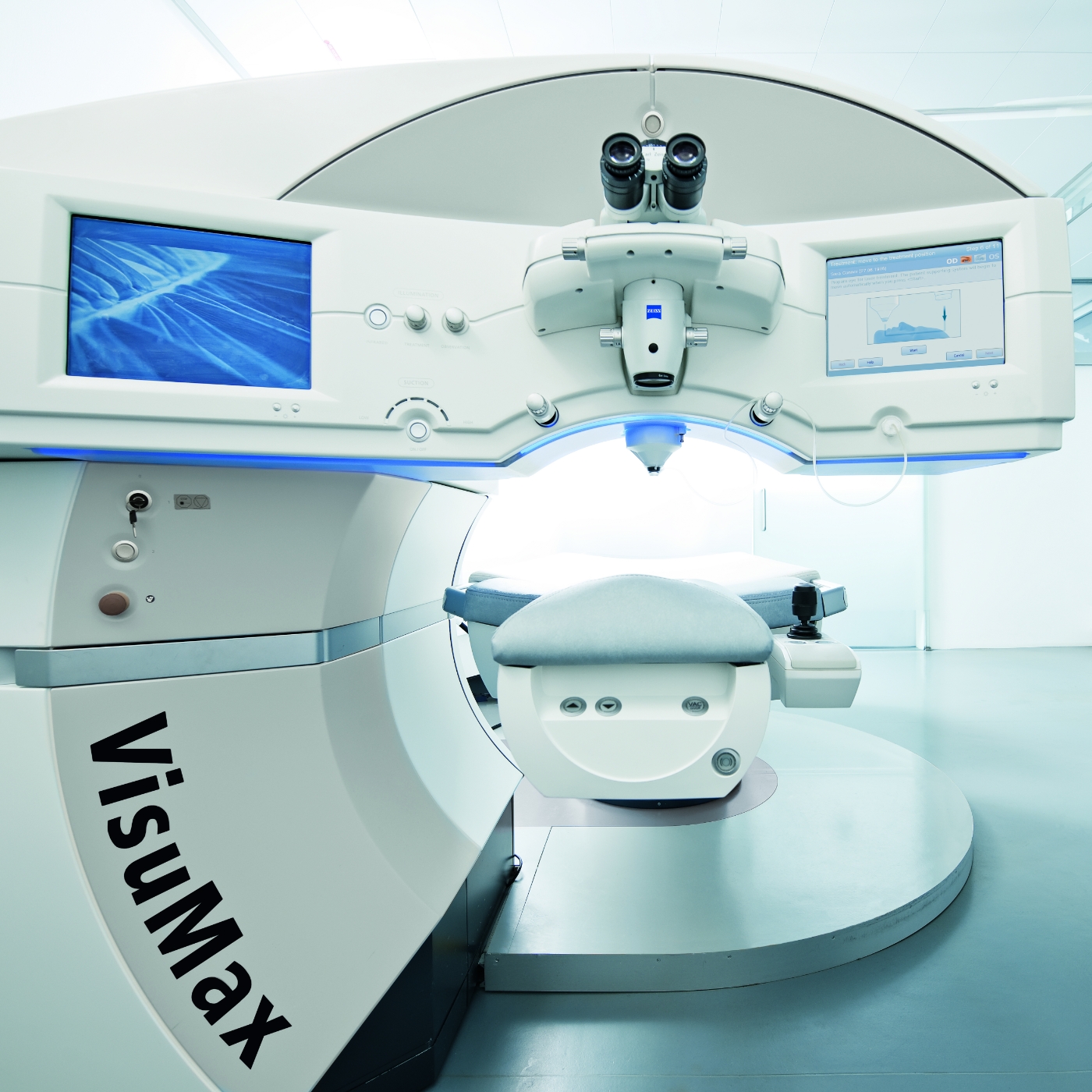
Experience Ambidextrous SMILE®, a revolutionary approach to laser vision correction reimagined through bilateral surgeon control.
Samsung
Miracle Eye Clinic is the only clinic in Korea offering this ambidextrous technique,
combining surgical precision with enhanced patient
outcomes.
-
Enhanced Surgical Stability
Coordinated two-hand operation reduces micro-motion and
improves surgical concentration, ensuring more stable results. -
Superior Symmetry and Tissue Handling
Balanced bimanual manipulation preserves corneal architecture and
reduces irregular astigmatism. -
Faster, More Efficient Procedures
Optimized workflow and dexterity shorten operative time and
minimize patient exposure. -
Greater Control for Complex Cases
Allows precise management of astigmatic axes and
challenging anatomical variations. -
All SMILE® Advantages Preserved
Benefits include flap-free micro-incision, reduced dry-eye risk,
and strong corneal integrity.
Who Benefits Most from Ambidextrous SMILE® Eye Surgery
Ambidextrous SMILE® is an advanced,
minimally invasive vision correction procedure ideal for patients who:
-
 01
01
Have myopia with or
without astigmatism. -
 02
02
Seek a flap-free, minimally
invasive alternative to LASIK -
 03
03
Are concerned about dry eye
or flap-related complications -
 04
04
Lead active lifestyles and need
rapid, stable visual recovery
SMILE® vs. LASIK vs. LASEK (PRK)
Choosing the right laser vision correction procedure is a major decision.
Modern ophthalmology offers three leading options—SMILE®,
LASIK, and LASEK (PRK)—each with distinct methods,
recovery profiles, and benefits. This side-by-side comparison is designed to help you
understand the differences
and determine the best choice for your eyes and lifestyle.

Swipe to check.
| Category | SMILE® | LASIK | LASEK (PRK) |
|---|---|---|---|
| Method |
Corrects vision by separating and removing a small lenticule using femtosecond laser (VisuMax) without creating a flap. |
Creates a corneal flap and reshapes the cornea with an excimer laser. |
Removes the epithelium (outer layer), then reshapes the cornea with an excimer laser. |
| Cornea |
Preserves corneal structure. Minimizes corneal nerve damage. No corneal flap exposure during the procedure. |
Flap creation makes corneal preservation difficult. Corneal flap exposure during surgery. |
Epithelium removal makes corneal preservation difficult. Wide corneal surface exposure during surgery. |
| Flap | None (Flapless) | Yes | None (Flapless) |
| Incision | Within 2mm (Minimally Invasive) | 20-24mm | - |
| Pain | 1-2 hours (Minimal) | 2-4 hours | 2-3 days (Most significant) |
| Recovery | Within 1 day (Fastest) | 1 day | 1 week - 1 month (Vision stabilizes slowly) |
| Post-op Care | 3 weeks of eye drops | 1 month of eye drops, Protective eye shield during sleep, Sunglasses |
3-6 months of eye drops (varies), Protective eye shield during sleep, Sunglasses, Protective lenses |
| Daily Life | Next day: shower, basic makeup, electronic device use, light exercise |
Next day: shower, basic makeup, electronic device use, light exercise |
After 3-7 days: shower, basic makeup, electronic device use, light exercise |
- In SMILE®, more than 90% of corneal nerves are preserved, minimizing the risk of postoperative dry eye.
- Corneal flap creation: LASIK only.